“Coffee growing process” search results (7000)

Fine Coffee Guatemala Coffee Processing Method Washing
The extra hard coffee beans here are full, delicious and balanced, and the coffee brewed with them is pure and rich. Guatemala coffee once enjoyed a reputation as the best coffee in the world, but quality declined for a while. Happily, however, its popularity is gradually being restored. Father Jesuit introduced coffee trees to Guatemala in 1750, late 19th century
2016-05-19 boutique coffee Guatemala treatment way method wash here extra hard
Indonesian Coffee Plantation Coffee Bean Manor
The vast Lake Doba, located in the center of North Sumatra province and the largest volcanic lake in Southeast Asia, grows coffee beans around the lake. In the center of this island, Chasmont Island is about the size of Singapore! The basic data area of the Republic of Indonesia is about 5 times that of Japan (about 1.89 million square kilometers). The capital Jakarta speaks Indonesian and Indonesian.
2015-02-15 Indonesia coffee plantations coffee beans manors
Coffee Tree planting knowledge Coffee Tree growing Environment
Coffee gives the public the impression that it is black, bitter and excited after drinking sleepless beverages. The coffee beans we see in the coffee shop are brown, roasted beans and amber. Coffee comes from coffee beans, which are harvested and processed from the fruits of coffee trees. Coffee trees grow at the center of the equator, south.
2015-03-04 Coffee planting knowledge growth environment coffee public like black bitter
Costa Rican coffee beans introduce culture
There are many coffee growing areas in Costa Rica. The unique microclimate and soil composition of each region lead to subtle changes in coffee from region to region. Most Costa Rican coffee is not grown on a large scale, but is cultivated by many small-scale coffee farmers and then takes their harvest to coffee factories for processing. Some Costa Rican coffees are processed with pectin scrapers.
2016-06-01 Costa Rica coffee beans introduction culture Gos Dali Jiayu many coffee
Boutique single Yemeni coffee beans
Yemeni Coffee Mocha is the earliest export port of Yemeni coffee beans, a well-known coffee named after a port in Yemen. The most familiar mocha coffee. When the word appears on the recipes of bags and cafes, the meaning is different. The former refers to the port where coffee beans are exported, while the latter refers to a kind of coffee. Strictly speaking, exported from the Yemeni port of Mocha
2014-09-18 Boutique single Yemeni coffee beans
Rwanda Fine Coffee introduction to Rwanda Fine Coffee taste characteristics Rwanda coffee is unique
Since the 1920s, Arabica coffee grown in Rwanda has been famous for its unique fruit sweetness and rich grass aroma. In recent years, the Rwandan government has taken positive measures to vigorously promote coffee production, set up coffee production cooperatives in various places, and give technical guidance and financial support to farmers, so that coffee production has made considerable progress. Rwandan coffee
2016-03-29 Rwanda quality boutique coffee introduction taste characteristics unique last century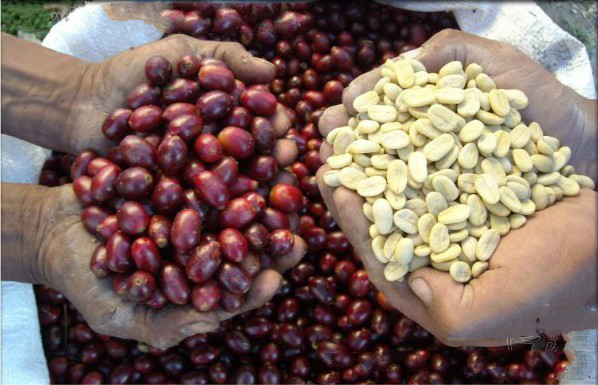
Ethiopian coffee Starbucks Ethiopian coffee wholesale price of Ethiopian coffee brands
Ethiopia is one of the major producers of Arabica coffee in Africa, producing the best Arabian coffee in the world. It is said that coffee was first discovered by shepherds in Essekafa, and the name of coffee evolved from Kafa, so Essex is still the hometown of coffee. The geographical environment of coffee production and processing is very suitable for coffee growth. Coffee is mainly cultivated.
2016-04-26 Ethiopia coffee buck brand wholesale price
What is boutique coffee? Boutique coffee science
Boutique Coffee beans Fine Coffee (specialty coffee) is also called specialty coffee selection coffee. It refers to coffee made from a small number of raw beans with excellent taste grown in an ideal geographical environment. Depending on the special soil and climatic conditions in which they grow, they have outstanding flavor. After strict selection and grading, this kind of coffee has a hard texture.
2015-02-13 What do you mean boutique coffee coffee beans specialty c
Yemeni coffee mocha coffee boutique coffee
Yemeni Coffee Mocha is the earliest export port of Yemeni coffee beans, a well-known coffee named after a port in Yemen. The most familiar mocha coffee. When the word appears on the recipes of bags and cafes, the meaning is different. The former refers to the port where coffee beans are exported, while the latter refers to a kind of coffee. Strictly speaking, exported from the Yemeni port of Mocha
2014-09-17 Yemeni coffee mocha coffee boutique coffee
The growing process of coffee Highland Coffee is superior.
The Buddha said, one flower, one world, one leaf, one Bodhi. Replaced with a coffee bean, still the same. Looking at this pure black liquid, it took a year of growth, harvesting, production, baking, grinding, extraction, and finally condensed into that mellow taste. It is like all the things that have been polished by time and hands, such as red wine, such as jade, in the small
2015-11-06 Coffee growth process highland that is superior Buddha said a flower the world one
Fine Coffee Science explains in detail several "what is" in coffee?
What is caffeine? Caffeine is a substance found in the leaves, roots and fruits of 100 plants in nature. it is also a mixture of methylxanthine. Caffeine usually comes from coffee, dimethoate and tea. Caffeine is also used in energy drinks and drugs to treat colds and flu. Coffee and tea also contain other dimethylxanthine theophylline. Tea
2014-11-12 Coffee knowledge boutique coffee science coffee common sense
Introduction to the characteristic flavor and taste varieties of Rwanda coffee manor with clean taste and high alcohol thickness
There are about 33000 hectares of coffee plantations in Rwanda, with 500000 people engaged in the coffee industry. With the good natural conditions of high altitude and fertile volcanic soil, the country's fertile soil and suitable climate contribute to plant growth, and coffee trees seem to be driven or forced to grow upward, or because they grow too fast to produce the best coffee beans. Luwang, the beautiful land of a thousand hills
2016-09-06 Taste clean and mellow thick high Rwanda coffee manor producing area characteristics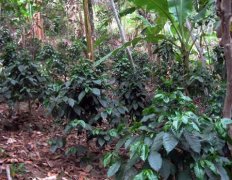
The production of coffee beans with basic knowledge of fine coffee
Coffee trees take 3-5 years from planting to fruiting. 6-10 years of coffee trees are the most likely to bear fruit, about 15-20 years, is the harvest period. Coffee trees are usually bred in nurseries and grow into saplings, and then moved to coffee farms a year later, in full compliance with the way the Arabs planted and cultivated coffee trees. Coffee trees will continue to take root downward and upward in the first four or five years of their growth.
2014-11-20 Coffee knowledge coffee knowledge coffee basics coffee bean production
Carefully filter "sick problem beans"
Defective beans, as the name implies, are defective beans, bad beans, just like bad apples. There are a variety of reasons and many kinds of coffee. Here is a detailed description of the things that affect the quality of coffee. A variety of factors can cause defective beans. Defective beans can be produced as large as the growing environment of coffee trees and as small as the process of harvesting and processing raw beans. But don't.
2014-09-16 Defective beans raw beans coffee beans fine beans
The basics of fine coffee do you know what caffeine is?
What is caffeine? Caffeine is a substance found in the leaves, roots and fruits of 100 plants in nature. it is also a mixture of methylxanthine. Caffeine usually comes from coffee, dimethoate and tea. Caffeine is also used in energy drinks and drugs to treat colds and flu. Coffee and tea also contain other dimethylxanthine theophylline. Tea
2015-10-14 About boutique coffee basic knowledge know caffeine what is
Flavor description of Ethiopian Coffee Manor Variety characteristics introduction of Fine Coffee beans in producing areas
A large amount of coffee production (95%) is done by small shareholders, with an average yield of 561 kg per hectare. For centuries, minority holders of Ethiopian coffee farms have been producing a variety of high-quality types of coffee. The secret of producing high-quality coffee is that coffee growers have developed environmental conditions through generations of repeated learning about the coffee planting process.
2016-10-09 Ethiopia Coffee Manor Flavor description Variety characteristics producing area Fine goods
Basic knowledge of coffee growing
What is coffee? Coffee is the fruit of a Rubiaceae plant grown at altitudes of about 6,000 feet and distributed along narrow subtropical axes around the world; the coffee tree is green all year round and can grow up to 20 feet tall, usually controlled to 8 to 10 feet tall for easy harvesting.
2014-06-17 Coffee knowledge coffee growing coffee encyclopedia
Guatemala coffee beans processing method which manor Guatemala coffee beans boutique coffee
The extra hard coffee beans here are full, delicious and balanced, and the coffee brewed with them is pure and rich. Guatemala coffee once enjoyed a reputation as the best coffee in the world, but quality declined for a while. Happily, however, its popularity is gradually being restored. Father Jesuit introduced coffee trees to Guatemala in 1750, late 19th century
2016-05-10 Guatemala coffee beans processing method which estate boutique coffee here
Ethiopian coffee beans
Ethiopia (Ethiopia) is one of the major producers of Arab coffee beans in Africa, producing the best Arab mocha beans in the world. It is said that coffee beans were first discovered by shepherds in the Kafa region of Ethiopia, and the name of coffee evolved from Kafa, so Ethiopia is still the hometown of coffee. Production and processing of coffee beans in Ethiopia
2015-06-04 Ethiopia mocha coffee beans
The earliest export port of Yemeni coffee mocha
Yemeni coffee, a well-known coffee named after a port in Yemen. The most familiar mocha coffee. When the word appears on the recipes of bags and cafes, the meaning is different. The former refers to the port where coffee beans are exported, while the latter refers to a kind of coffee. Strictly speaking, coffee beans exported from the port of Mocha in Yemen can be called mocha coffee. Later, the port
2014-06-27 Yemeni coffee coffee beans mocha coffee boutique coffee